AOC WARRIOR TRAINING SYSTEMS
Combat Bu Do Kwan - The System
American Combat Bu Do Kwan is a complete martial arts and combative arts training system. Bu Do Kwan stands for “The Balanced Way of Warrior Training” and represents a comprehensive system of American Combat Karate and Martial Arts. The curriculum is rooted in U.S. military discipline, law enforcement defensive tactics, hand-to-hand combat, grappling and ground fighting, Muay Thai (Kick boxing) and American boxing.
Combat Bu Do Kwan is also influenced by techniques from major martial arts systems, including Japanese, Korean, Okinawan, and Chinese traditions, as well as the arts of Judo and Jiu-Jitsu. Multiple levels of weapons training are incorporated and required by the time a student reaches 2nd Dan Black Belt and certified examiner status.
The system emerged in the early 1980s. Its founder, Ja’Mes Bethel, was a highly decorated Vietnam War veteran and U.S. Army Airborne Ranger. During extended duty in Vietnam, he was assigned to the Combat Engineers and also took part in Long Range Reconnaissance Patrol (LRRP) missions. He is credited with 42 confirmed kills during his service and was awarded three Purple Hearts and the Bronze Star. Grandmaster Bethel is internationally recognized as a pioneer of American Combat Karate and for his lasting contributions to the martial arts community. He is also credited with establishing the original American Combat Bu Do Kwan Karate System.
The original system includes six empty-hand forms and six weapons forms, two of which are dedicated to the United States military. Since the system’s founding, several additional forms have been added. Most instructors within the Order also incorporate advanced weapons forms and katas from major Asian martial arts systems in addition to the traditional Bu Do Kwan curriculum. All Order Black Belts must be proficient in close-order drill and qualified in firearms.
Students are trained using proven methods employed by the U.S. military and American law enforcement, with an emphasis on rank structure, discipline, respect, and leadership. The Combat Bu Do Kwan system encourages cross-training in other martial arts to ensure students become well-rounded martial artists and modern warriors. This approach also fosters innovation by incorporating new training ideas, best practices, and methods that help advance the system as a whole.
Traditional Martial Arts Systems
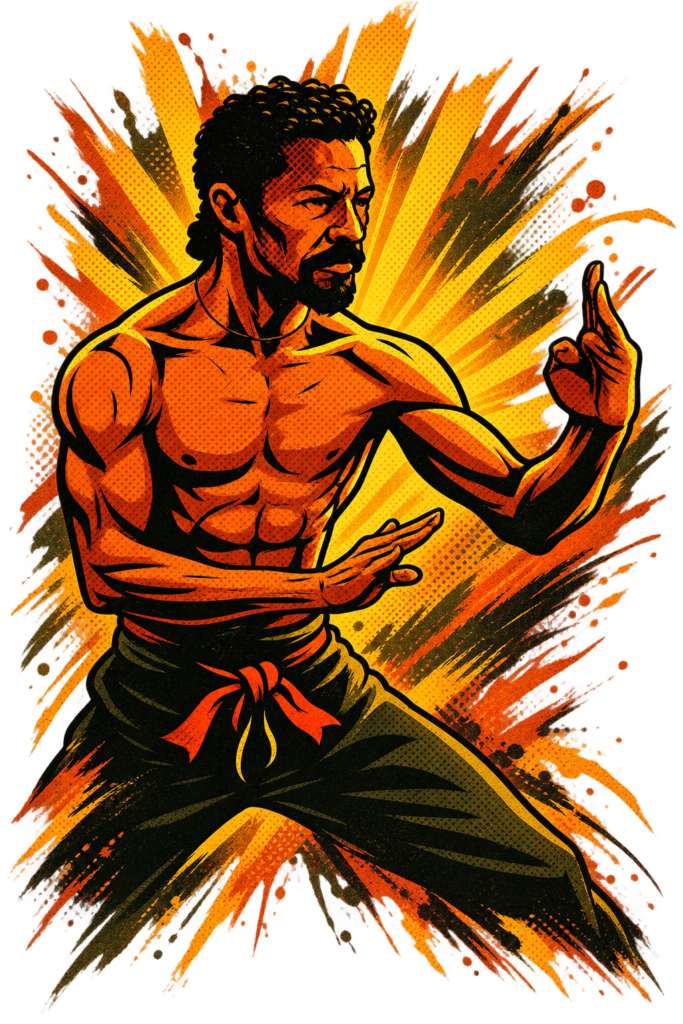
In addition to the Combat Bu Do Kwan system, AOC member schools incorporate various martial arts systems into their training. At the Warriors Institute (AOC HQ), American Tae Kwon Do Moo Duk Kwan is a major part of our curriculum.
American Tae Kwon Do Moo Duk Kwan is a traditional martial arts system with a practical, real-world approach to self-defense. While firmly rooted in the fundamentals, discipline, forms, kicking, striking, and character development associated with traditional Tae Kwon Do and Moo Duk Kwan, its training goes beyond tournament competition or physical technique alone.
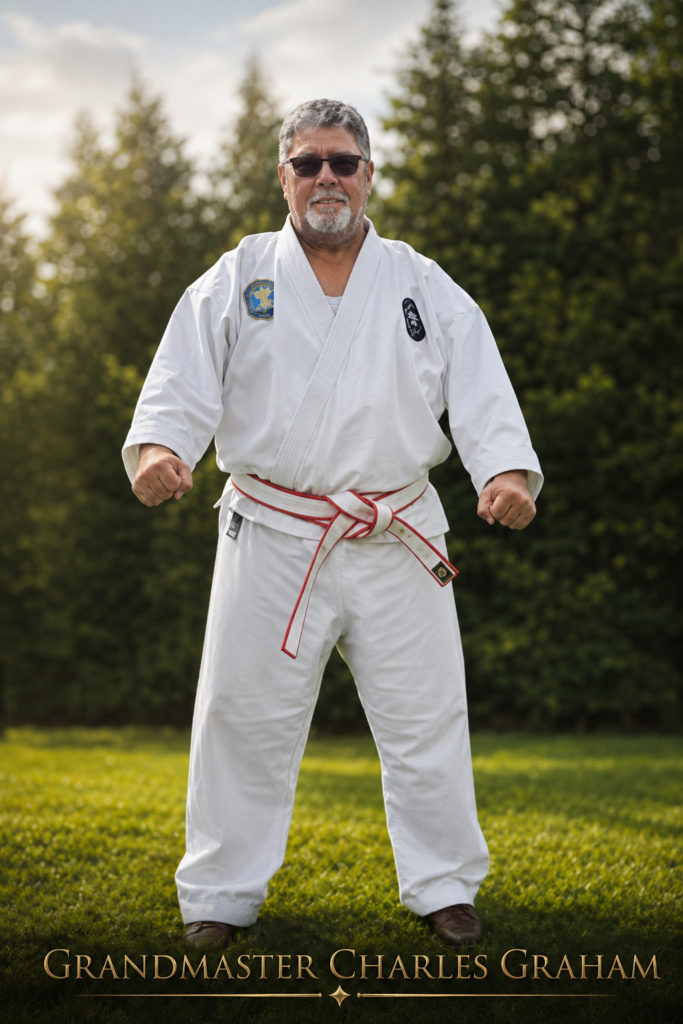
Under Grandmaster Charles Graham, the system reflected the experience he gained both as a United States Marine and a professional security. His approach emphasized that martial arts should prepare a student not only to perform techniques correctly, but to apply those skills when personal safety is genuinely at risk.
Training therefore combines traditional martial arts with practical self-defense, awareness, physical conditioning, and realistic defensive applications. Students learn powerful kicking and striking skills while also developing close-range defenses, escapes, control techniques, and the ability to respond effectively to common attacks and dangerous situations.
Equally important is the development of the individual. Discipline, respect, perseverance, confidence, self-control, and personal responsibility remain central to the system. The objective is not simply to produce skilled martial artists, but capable, disciplined people who possess the judgment to avoid conflict when possible and the ability to protect themselves and others when necessary.
American Tae Kwon Do Moo Duk Kwan represents the balance between tradition and practicality—preserving the values and martial foundation of the past while preparing students for the realities of the modern world.
PRO-TACT™ – Proactive. Tactical. Prepared.
PRO-TACT™ was developed by Ray Thomann — a veteran law enforcement leader, security expert, martial artist, and personal safety coach.
PRO-TACT™ is a personal safety and self-defense system that stands for Proactive and Tactical — the two foundational principles of the system. Built from real-world experience and proven strategies used in law enforcement, security, and military training, PRO-TACT™ helps everyday individuals stay one step ahead of danger through increased situational awareness, practical response skills, and a clear personal safety strategy.
PRO-TACT™ is designed for the realities of high-stress encounters. When danger triggers the fight, flight, or freeze response, fine motor skills can deteriorate and complicated techniques become difficult to perform.
That’s why PRO-TACT™ emphasizes proactive strategies and simple, effective movements based on gross motor skills— actions the body can perform when adrenaline is high and seconds matter. The goal is to develop responses that are instinctive, practical, and reliable under pressure.
At its core, the PRO-TACT™ method emphasizes:
- Gross Motor Skill Techniques
- Increased Situational Awareness
- Proactive vs. Reactive Approaches
- Developing a Personal Safety Plan & Strategy
- Building the “I Will Not Be A Victim” Mindset
From parking garages and public transportation to unfamiliar streets and crowded events, PRO-TACT™ prepares you to move through life with greater confidence and control. Wherever you are, you’ll have the mindset, tools, and training to stay sharp, stay ready, and stay safe.